
Our Impact
Learn about the impact we have from our partners
Collaboration
Designing Connection Across Borders
The Urban Wildlife Network
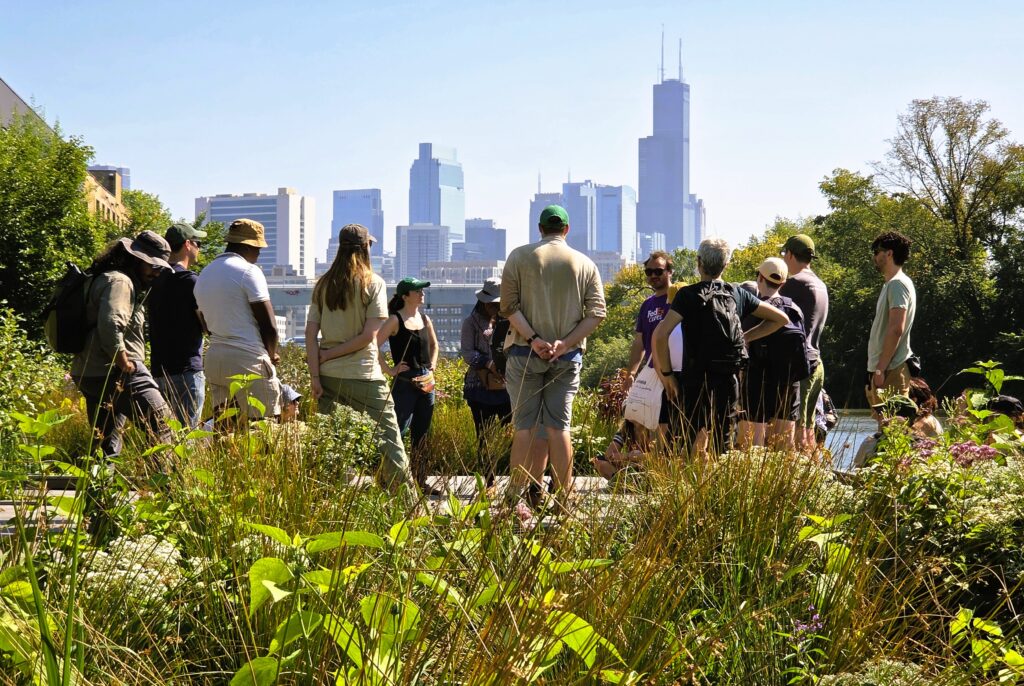
The Urban Wildlife Network (UWIN), an initiative of the Lincoln Park Zoo, has built something remarkable. UWIN unites an international collaboration of scientists studying wildlife in cities with aligned data methodologies that allow them to compare findings across regions. But as the network grows, so does its need for infrastructure to match the opportunities. For the network’s second summit, UWIN partnered with ICL to create an event designed to build connections among international members.
What came out of it was concrete – a plan to redesign their website, making it more accessible for members, inviting for new collaborators, and better able to reach new partners.
“Before working with ICL to plan the summit, I didn’t necessarily think of connection as an outcome. ICL really helped us be intentional about it, shaping time to create meaningful connections through activities and breaks for reflection together.”
“It can be hard to participate as a part of the group and facilitator at the same time. Having someone there to facilitate so we could focus on being in the community was really meaningful. People felt heard, and felt like they had a role in everything, because it was so well orchestrated.”
Kim Rivera – Urban Wildlife Information Network (UWIN), Network Coordinator
A Landscape Approach to Forest Health
The Allegheny Forest Health Collaborative (AFHC) was formed to address threats to forest health at a landscape scale. Co-led by the Allegheny Hardwood Utilization Group and the Allegheny National Forest, the collaborative sought to convene in 2025 to rebuild post-pandemic momentum and capacity to address emerging priorities.
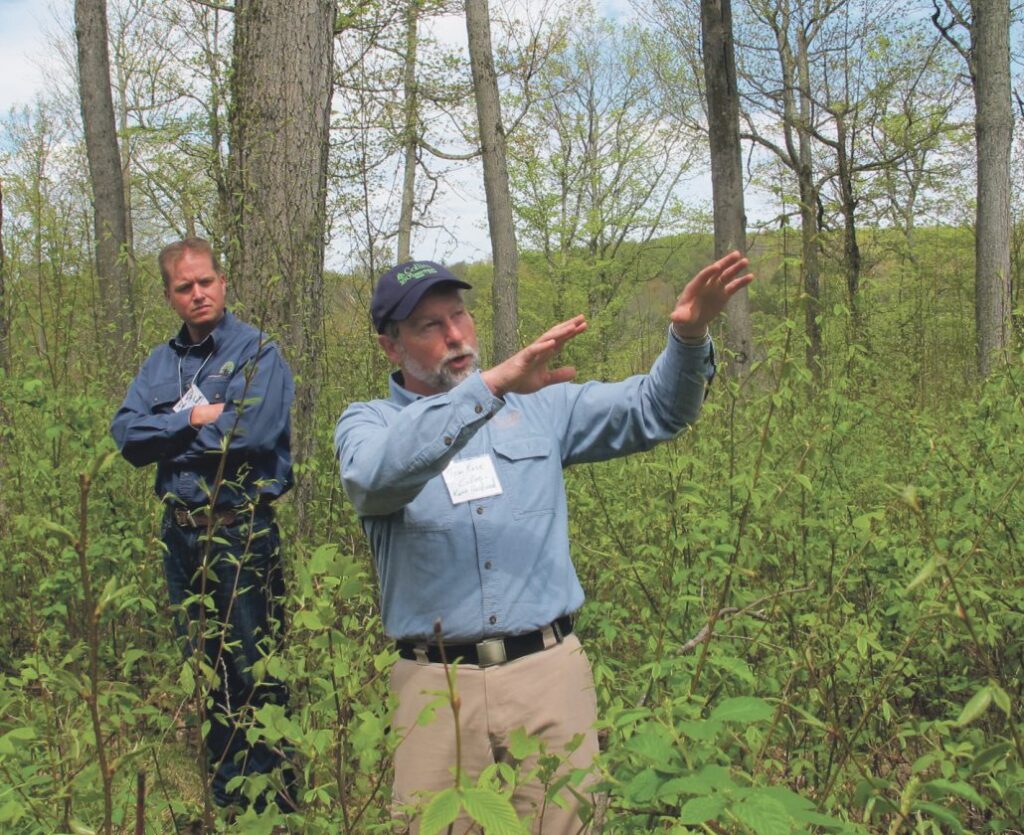
In 2025, ICL partnered with the collaborative AFHC leaders to design and facilitate a single, high-impact convening to realign the full group around a shared path forward. That day produced clear consensus on emerging priorities, new working groups already taking shape, and a critical shared realization: the collaborative needed to invest in its own capacity to sustain the work ahead.
“ICL brought an understanding of the human dynamics at play in a large group gathering. The tools and resources they brought to the table — we would not have been able to effectively think our way through that on our own.”
“The best part was that we got to see what others in our collaborative valued that we may not have been emphasizing enough or didn’t occur to the steering committee.”
“The relationships ICL brought to the table led to folks being invited to the collaborative who probably wouldn’t have been otherwise. They are now giving our group attention and potential opportunities for capacity building.”
Amy Shields – Allegheny Hardwood Utilization Group (AHUG), Co-Lead, Allegheny Forest Health Collaborative
Dynamic Systems for Collaboration
Antarctic and Southern Ocean Coalition
The Antarctic and Southern Ocean Coalition is a unique global coalition bringing together a diverse range of organizations from international NGOs to small nonprofits on multiple conservation issues that protect vulnerable ecosystems. They engaged ICL to help navigate the organization’s intricate structure through a robust assessment process. This allowed the coalition to think creatively about its challenges while honoring the diverse perspectives within the network.
“Our goals were supported through ICL’s ability to help us think differently about our challenges. Their talent for stepping outside conventional thinking and reframing our issues with creative approaches gave us valuable new perspectives. They provided practical tools we frequently reference when making difficult decisions, and their research illuminated where we needed to improve.
We went through a robust survey process while developing our new decision-making tools, and it was incredibly helpful. The fingerprints of ICL are visible throughout these processes. We gained valuable insights that made us more functional. The recommendations were excellent best practices for transparent communication and building a stronger organization. Everything ICL suggested has been spot-on.”
-Holly Curry, Marine Protected Areas Campaign Manager
Restoration of the Chesapeake Bay, Its Tributaries and the Lands That Surround Them
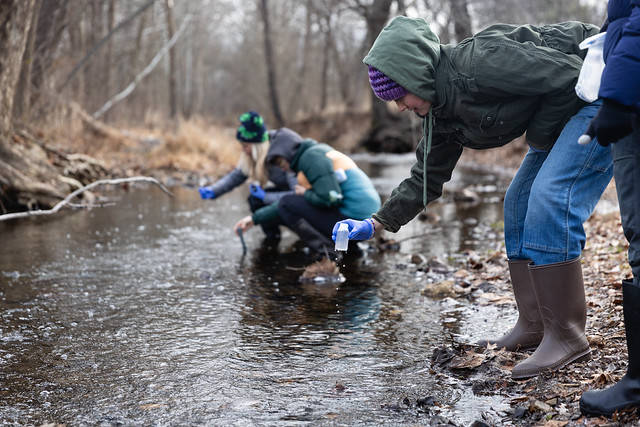
ICL supports partners across the Chesapeake Bay watershed, applying strategic collaboration to build regional capacity and strengthen connections among those protecting this vital ecosystem.
The National Fish and Wildlife Foundation’s Chesapeake Bay Stewardship Fund protects the bay by funding local watershed restoration efforts, helping communities clean polluted waterways, and safeguarding key Chesapeake species.
“Working with ICL has supported us in identifying opportunities for enhanced collaboration. They help us analyze what’s working well, share successful models from other organizations, and connect our grantees with valuable partners and technical expertise. This approach has nurtured the seeds of organic collaboration we’ve already begun to see emerge in our community. People are eager for the guidance and counsel that ICL can provide, and deep and intentional collaboration is a necessary ingredient. Applying ICL’s expertise and assistance to strengthen these collaborative models is directly material to our ability to achieve conservation at scale.
There is value beyond the technical expertise that comes from how ICL does this work – they have a passion for it that is not easily replicable. A lot of collaborative conservation work is about interpersonal relationships, trust, and communication styles – ICL brings this to their engagement and proves the value of interpersonal dimensions in this work.”
-Jake Reilly, National Fish and Wildlife Foundation, Director Chesapeake Bay Programs
Berks County Community Foundation
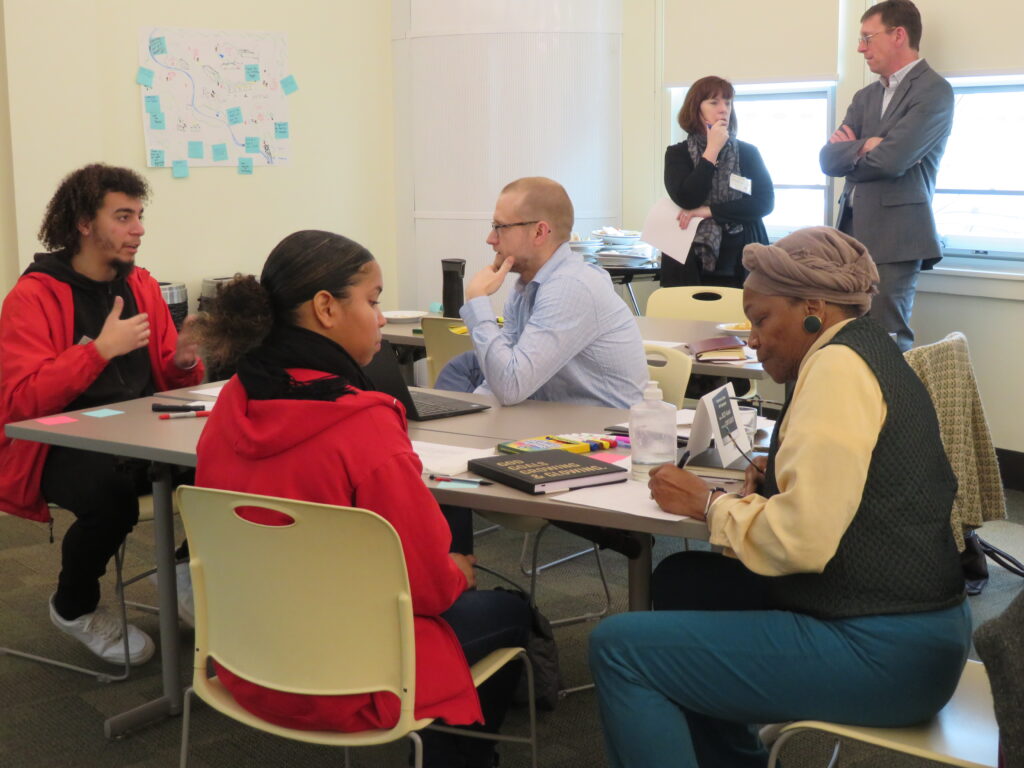
Working closely with the Foundation’s staff – Emily Smedley (Environment & Energy Program Officer) and Monica Reyes (Vice President for Programs and Initiatives) – the ICL team developed a set of questions and conversations aimed at determining ways the Community Foundation could gain the community’s perspective.
“ICL helped participants in our community meeting have some fun and use creativity rather than just stating and restating the problems. A major takeaway we heard from participants was that they planned to start using this solutions-based approach to their own work.
They did such a great job at facilitating that the group clapped after it was over! Participants stayed after to talk to each other and to the ICL folks and kept coming back for subsequent meetings – confirmation that they enjoyed the meetings!
ICL is very good at going with the flow, which lends a hand to how good they are at their facilitation work. They incorporated their national expertise and experience through input and examples that were helpful for our project and were able to understand the intersectionality of participants’ work very seamlessly. They were inclusive of all the participants, especially those in the room who were not directly involved in the environmental field, by helping them feel comfortable and included in the conversation.”
Emily Smedley reflected on this work and the recommendations ICL made based on the community’s engagement in this blog post. The full report and recommendations are available on their website.
Facilitation
Grounded In What Matters
Regional Network Development for Sustainable Agriculture
When the Virginia Soil Health Coalition and American Farmland Trust began building a regional network around a first-of-its-kind federal grant program, federal-level transitions made the project’s future uncertain and timelines in flux. ICL partnered with the coalition’s internal planning team and facilitated quarterly network meetings, helping the group stay anchored to outcomes even as the project shifted course multiple times. The result: a growing network whose attendance increased even as funding remained uncertain, with partners showing up because they truly see the value.
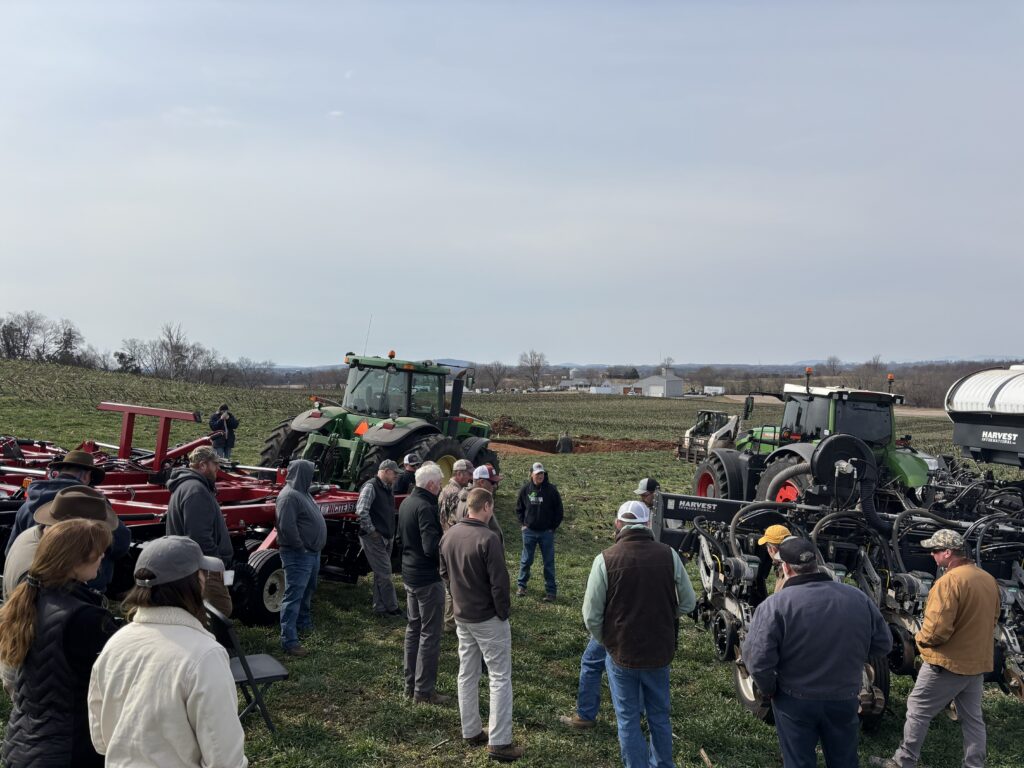
“We say at the end of every meeting, wow, we could not have done that on our own. ICL knows where to allow room for conversation and where to keep us on track. They have the ability to help keep your eye on the ultimate goal, even when it takes a winding course to get there. We’ve had to switch course multiple times, and I don’t think we could have effectively changed direction and stayed toward the goal without their support.”
“Our attendance has grown, which is notable because the program is still not on sure footing. A lot of these project partners don’t have funding right now. They’re doing this because they really see the value, which shows that what ICL is helping us focus on are the right things.”
Mary Sketch Bryant, Director, Virginia Soil Health Coalition — Virginia Tech
Common Language for Common Ground
Across Wisconsin’s Upper Driftless Region, a partnership of agencies, nonprofits, and landowners works to maintain and increase grasslands through land protection and management. The Southern Driftless Grasslands Partnership has existed in various forms for decades, but its members were ready to align in a shared direction. After assessing their needs, the steering committee made a deliberate choice — they needed a facilitator with deep experience in how partnerships work.
ICL partnered with the group to develop shared language, a tiered framework the partnership now references weekly, and a structure for revisiting emerging priorities over time. The partnership has since launched five cross-agency working groups to carry the work forward.
“One of the biggest ‘aha’ moments came from developing the structure of using common language. We created perennial statements for the long term and biennial initiatives we’d revisit every two years with stakeholders. We didn’t have to include every issue, because the rest could be figured out later. That was freeing for a lot of people.”
“ICL specializes in partnerships, with national experience across diverse network types. They’re not going to pigeonhole you into just one way of working. Each network is different, and that’s the whole point. It’s a big lift to get to know the norms of a group, and ICL does that.”
Andy Bingle, Coordinator, Southern Driftless Grasslands Partnership

Food:Land:Opportunity
In 2024, Food:Land:Opportunity celebrated a decade transforming Chicago’s regional food system by balancing environmental conservation with economic innovation and community wealth-building. To mark this milestone, FLO worked with ICL to conduct a comprehensive impact assessment that examined its achievements, evolving challenges, and continuing relevance in an ever-changing food system landscape.
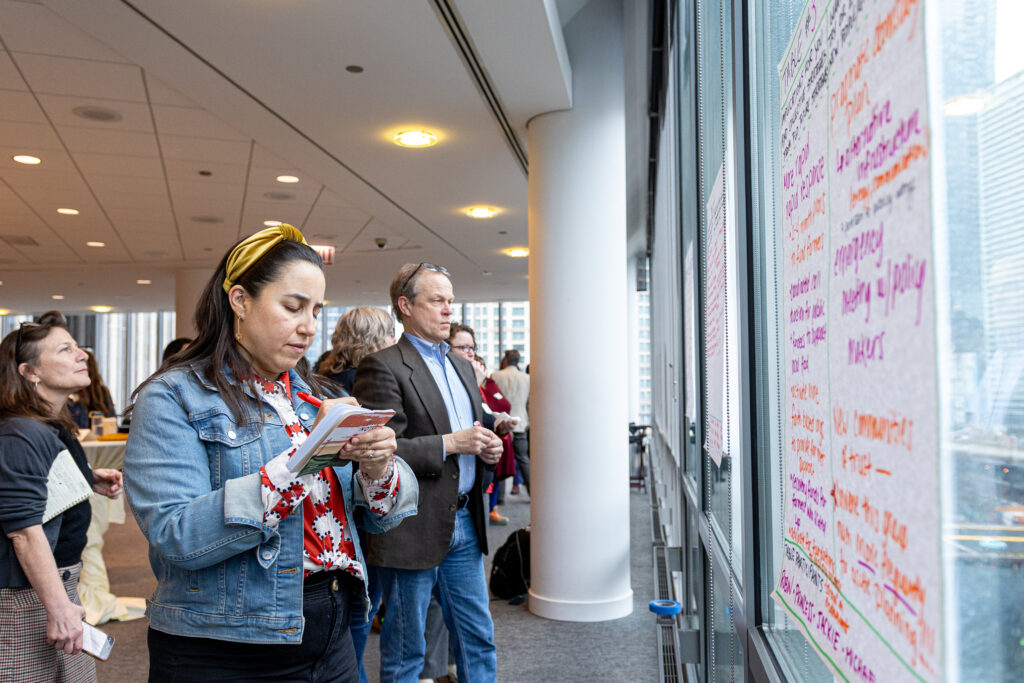
ICL designed and facilitated an assessment process that consisted of innovative engagement methods, including topical gatherings, focus groups, and interviews that brought together diverse stakeholders from across the food system. These sessions fostered meaningful dialogue, energizing participants while ensuring everyone could engage meaningfully. The process kept equity at the center, creating an atmosphere of camaraderie that extended beyond formal sessions. Participants formed valuable connections and expressed how meaningful these collaborative spaces were for learning and growth.
Following each engagement, ICL synthesized and reported major findings, making the information accessible and actionable. As a result, the comprehensive engagement yielded concrete results: a detailed catalog of accomplishments and future recommendations reflecting participants’ input. The assessment positioned the organization to chart a path that builds on strengths while adapting to new challenges, establishing a roadmap for continued impact in Chicago’s regional food system transformation.
Building Capacity Through Collaboration
The Alliance for the Chesapeake Bay
When the Alliance for the Chesapeake Bay sought to amplify the impact of capacity builders throughout the watershed, they partnered with ICL to guide the process. Working with ICL, the Alliance sought to develop a thriving community of practice that strategically connects capacity-building organizations. The Alliance saw the potential for creating a collaborative ecosystem of shared resources and expertise.
“One of the things that made ICL a clear choice for helping facilitate this process is that they straddle both sides of this topic – both having an excellent facilitation team, and being highly skilled in network building, and collaborative growth.
ICL helped us create a regional capacity collective, building a process founded on trust, consistency, and agreement. I’m genuinely pleased with where we are now—we share a unified vision for capacity building. With ICL’s guidance, we’ve cemented the foundations of our community practice through peer-to-peer learning, deep topic understanding, and collaborative project work.
Their blend of technical expertise, facilitation skills, and end-user perspective resonates perfectly with our work.”
Jenny McGarvey, Alliance for the Chesapeake Bay, Capacity Building Initiative Director

Planning a More Connected Future
Rails to Trails Conservancy is a national organization reimagining public spaces and connecting communities via trails. In 2023, they came to ICL to create a five-year strategic plan. Their goal is to ensure that trails and trail networks are prioritized as essential for people, communities, and the environment.
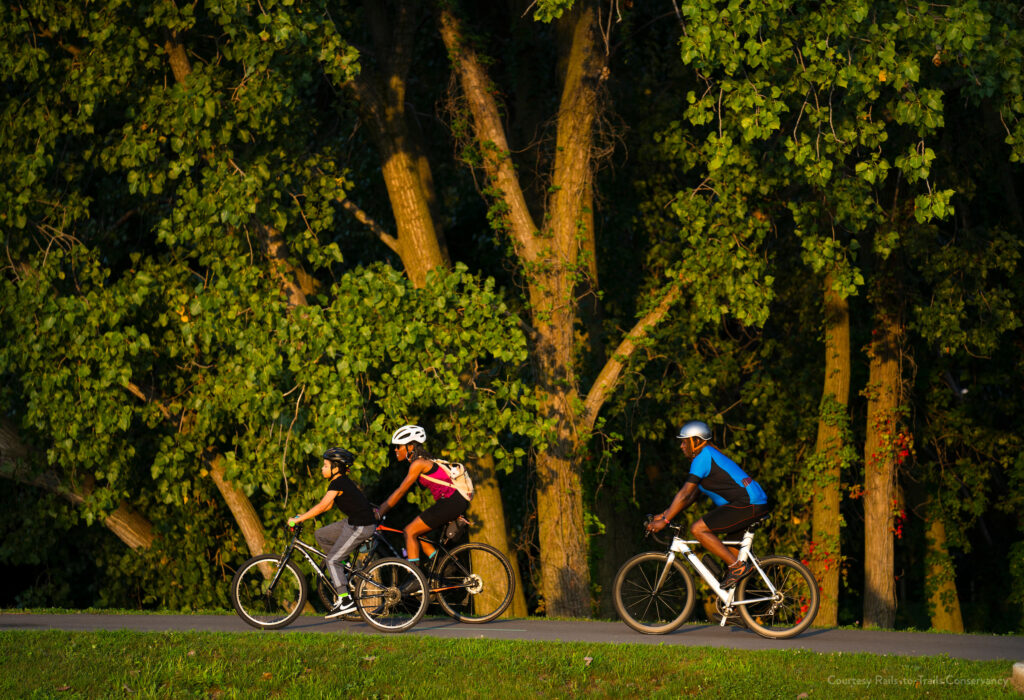
“ICL staff know our sector well but didn’t come to our strategic planning process with any dogma. They are collaborative, nimble, flexible thought partners interested in cocreating a process based on the circumstances at hand. They worked to understand our group, were great about facilitation, and got a broad representation of people involved and participating.
We are really pleased with the work. What’s nice is we’re hearing that from partners and supporters as well. RTC is a complex organization that does a lot. It’s also a pretty dynamic time in terms of opportunity and value in our sector, so this was not an easy project.”
-Ryan Chao, President
Ohio Environmental Council
With the support of the George Gund Foundation and the Cleveland Foundation, ICL has supported over 20 organizations and collaborations working for environmental and climate health in Ohio. In 2020, the Ohio Environmental Council engaged with ICL as a thought partner to increase their coalition building efforts. This engagement led to development and support of the Cleveland environmental policy platform for the mayoral candidates in the 2020 election.
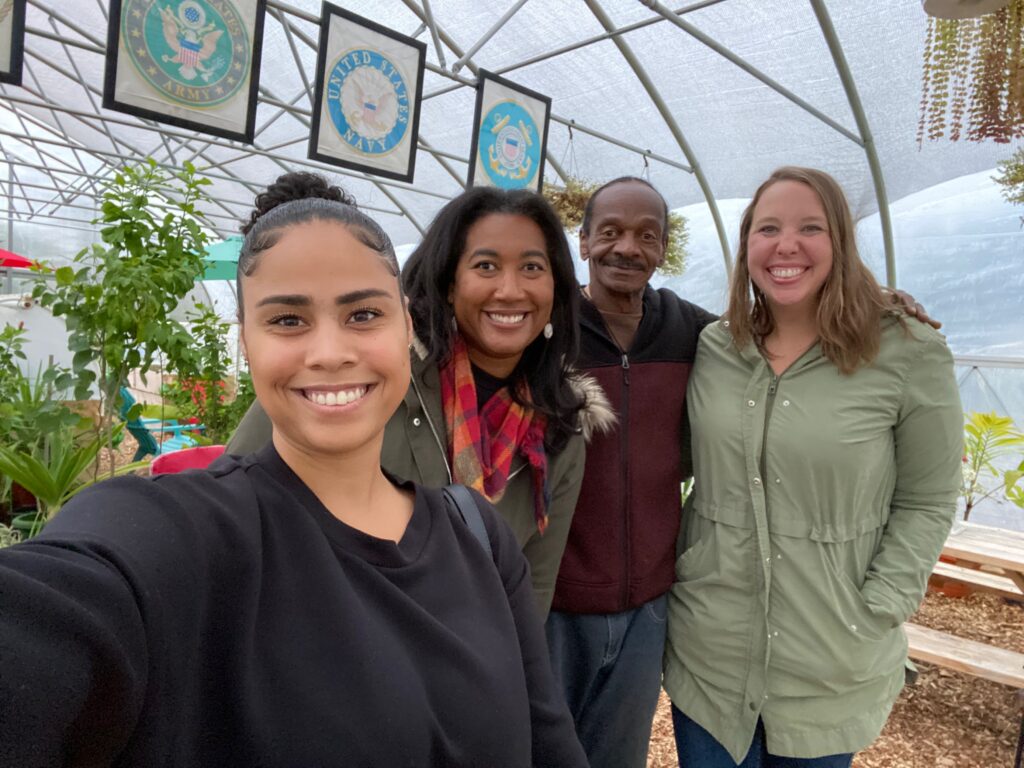
“ICL’s facilitation helped us bring together a diverse group of environmental advocates to put together a policy platform to support a healthier and greener Cleveland. They helped us make sure we were communicating well with partner organizations, meeting the needs of the group, and forming good relationships along the way. After engaging with ICL, we were able to move into 2021 with momentum—conducting expert conversations with Cleveland’s new mayor and his administration about these important policy priorities.”
-Emily Bacha, Vice President of Public Affairs, Ohio Environmental Council
Leadership
Delaware River Watershed Professionals of Color Cohort Program
BIPOC individuals within environmental organizations often face obstacles in advancing their careers due to underrepresentation and systemic barriers. In response to these challenges, Senior Associates Pri Ekanayake and Joy Jackson collaborated to design a yearlong program to connect and support professionals of color working on environmental and conservation issues in the watershed. The cohort met virtually throughout the year to engage in lessons and activities focused on career development, network building, and skills development, with the goal of enhancing and advancing their professional pursuits.
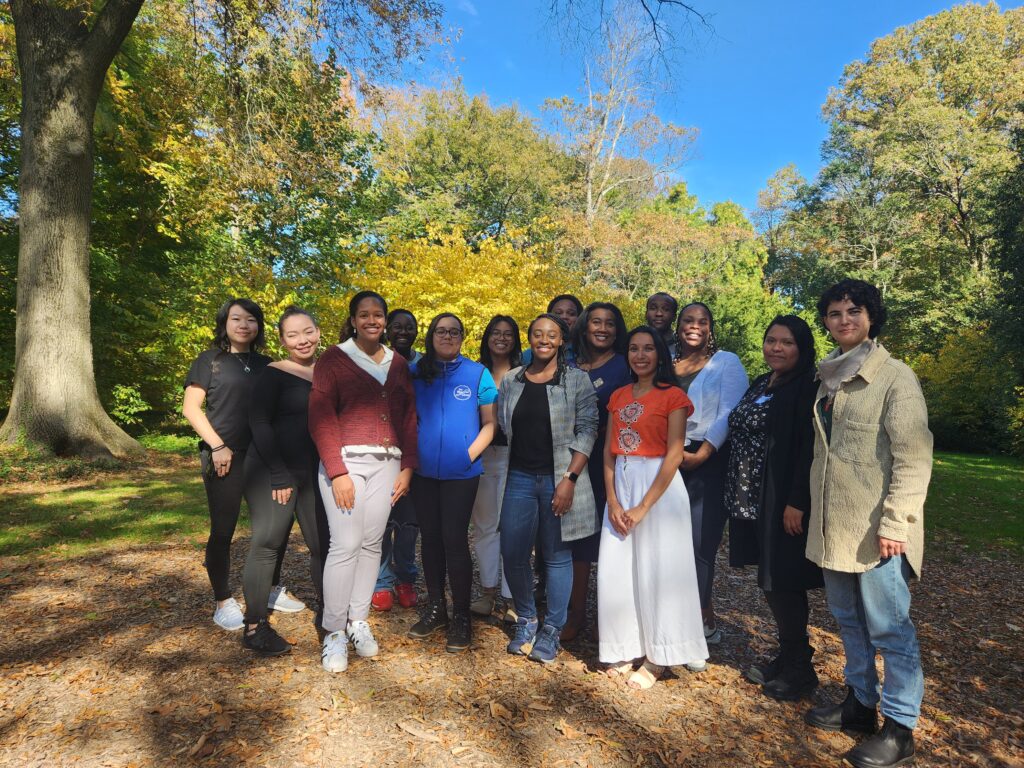
“Being a part of this cohort was a super valuable experience. It helped me with tangible skills and gave me the inspiration and confidence to make a huge career leap. The personal pitch module was especially important for me. The way it was facilitated helped me clarify what I was doing in my career and what I would like to be moving towards.
The experience of doing this learning alongside other people of color in different stages in their careers was really powerful. This cohort program gave me the opportunity to see the world outside of my regular daily viewpoint.”
-Jehane Samaha, Urban Nursery Specialist, US Forest Service
“When I joined this program, I had high hopes for gaining leadership development skills and the results were even better than I imagined they would be! The way the program was facilitated was magical. We were empowered to make it a collaborative process and asked for input and feedback from the start. All of the sessions combined created a holistic feeling to the program.
What I learned led to a year of growth for me and gave me confidence to value my own ideas and contributions. I know I can call on my cohort if I need to ask for advice, share events, or just to say ‘hello.’
-Asha- Lé Davis, Trees Program Manager, Pennsylvania Horticultural Society
Peer Cohort Learning Support
In 2022, ICL supported the Network for Landscape Conservation’s Catalyst Fund peer learning cohort through a workshop series called Facilitating Collaboration. The series was designed to empower and equip landscape stewardship coordinators across the U.S. with the knowledge, skills, and tools to facilitate and support collaboration virtually.
“What drew us to working with ICL was their grounding in collaborating in the conservation sphere. They are steeped in the nuances of collaboration, which added depth to the workshop and made it especially effective. ICL brought forth a lot of virtual tools that our grantees really valued being introduced to and were able to explore these tools in context of collaborative theory, concepts, and principles to create a really powerful approach. ICL’s depth of understanding really shines through.
So many of the challenges that conservation is increasingly called to address and wrestle with transcend boundaries and operate within complex systems that exceed the capacity of any organization to effectively address on their own. There’s a huge thirst for skills, knowledge, insight, and best practices around how to navigate collaboration in conservation. ICL is at the forefront of being a resource here, and their work is more relevant with each passing day. I have a deep sense of appreciation and gratitude for being exposed to such expertise in this space – I think the role that ICL is playing to support development of these skills represents a watershed moment that’s both powerful and exciting.”
-Jon Peterson, Catalyst Fund Manager, Network for Landscape Conservation

Developing Leadership for Collaboration
Each November since 2019, ICL has supported the Highstead Foundation‘s staff in planning and facilitating the Regional Conservation Partnership Network’s Gathering. This year’s Gathering was designed for participants to explore how to build relationships and strategies to address issues of land justice and climate resilience. In 2022, Highstead also approached ICL to design two online workshop series focused on skills for leaders to apply network frameworks and enhanced leadership facilitation capacities.
“ICL understands how leaders need support. Their programs are so impactful, and they will help you articulate goals you may not have even known you had. Everyone I’ve worked with at ICL is so wonderful and patient, and they always find the time to genuinely connect with us.”
There is some very necessary and critical work ICL helps make happen that supports us in reaching our goals for meetings and partnership building. They use a deep understanding of adult learning to integrate simple processes seamlessly so that it doesn’t feel like a curriculum– it’s just part of their skill and expertise which has been huge. Some of ICL’s approaches have worked so well for us and I’ve started using them for every single event we’ve done since engaging with them.
I would encourage you to trust ICL’s process even if it feels unfamiliar or goes against how you’ve been doing meetings or workshops. There is a magic that happens and if you open yourself up to that it will change how you think about your work and how you approach it.”
-Katie Blake, Conservationist at Highstead Foundation